Railway Investment Life Cycle Management Seminar on January 13, 2016
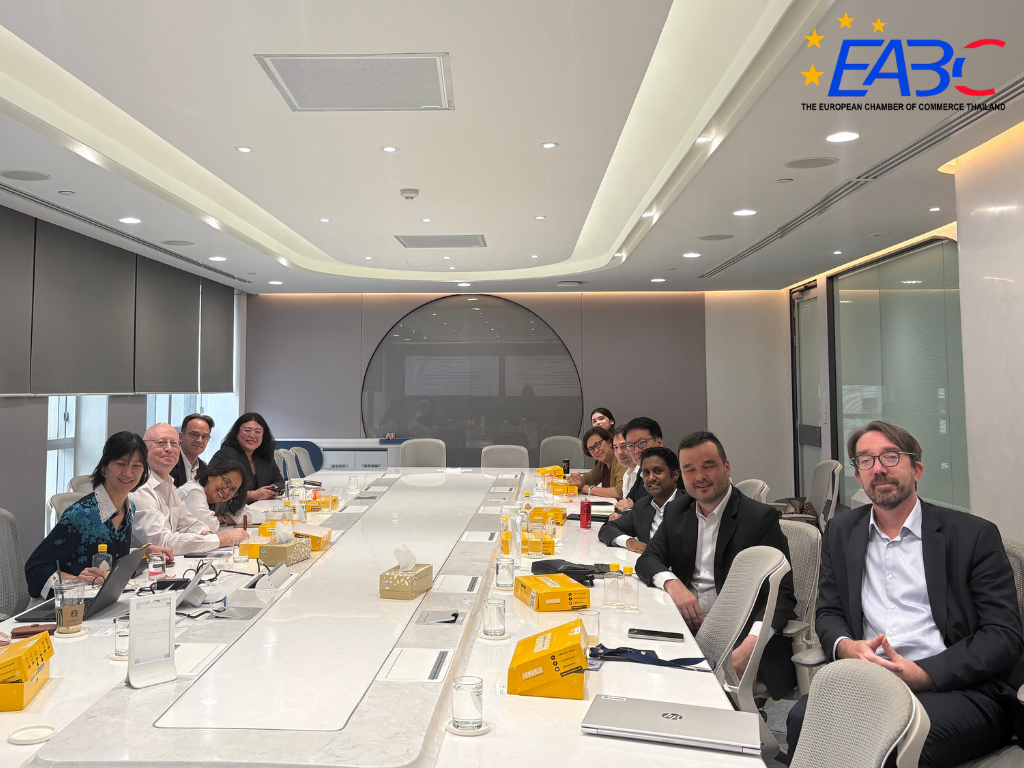
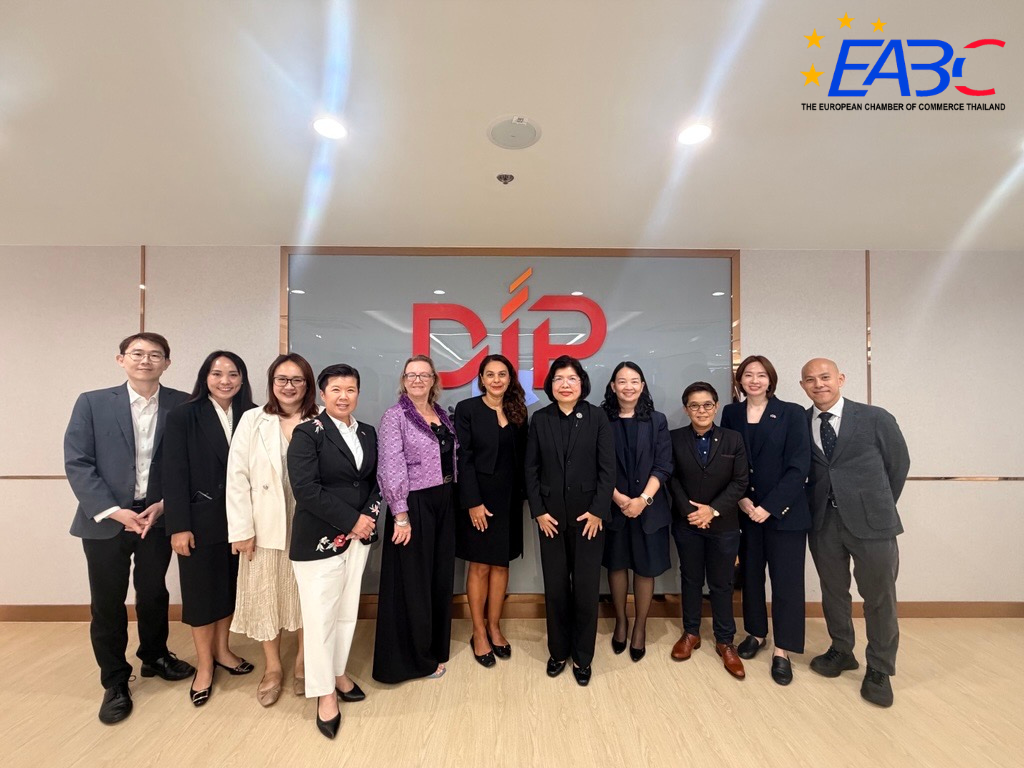
On this occasion, the Minister of Transport H.E. Mr. Arkhom Termpittayapaisith presided over the opening ceremony and delivered a speech emphasizing the importance of Thailand’s railway project as a key driving Thailand towards a regional hub of railway network in ASEAN. Also, he mentioned that as a second railway life cycle following the first cycle initiated by King Rama V is approaching, maintenance and safety standard are becoming increasingly significant. To promote the achievement in railway aspect, the Minister of Transport hereby expressed his support to the EABC activities in collaboration with the Office of Transport and Traffic Policy and Planning (OTP).
The seminar was divided into two sessions covering six presentation topics as follows;
- Life Cycle Considerations in Asset Management of Structures for Railways by Professor Helmut Wenzel (University of Natural Resources and Life Sciences, Vienna).
- Optimized Life Cycle Cost by application of condition-based and predictive maintenance strategies for Metro turnkey systems by Mr. Armin Rosocha (Vice President Siemens Rail Services Thailand)
- Reducing the life-cycle cost of rail infrastructure through the adoption of communication-based train control technology by Ms. Thitima Cooparat ( Senior Vehicle Engineer, Bombardier Transportation)
- Optimized design of Rolling Stock to reduce Life Cycle Costs by Mr. Wolfgang Reinold (Siemens Thailand – Head of Technical Expert Team)
- Trackwork design to reduced life cycle costs based on examples of rails, turnouts, and signalling equipment by Mr. Christian Zarnini (Voestalpine Railway System Thailand – Managing Director)
- Condition and Performance Monitoring of Viaducts, Bridges and Railway Structures by Professor Helmut Wenzel (University of Natural Resources and Life Sciences, Vienna)
- Railway Bridge Design – Important items for a long life span: interaction structure to track and bearing selection by Mr. Georg Wolff (Chairman EABC Working Group Rail & Road Infrastructure)
During Q&A session, questions received from a floor covered a broad range of issues, including (1) type of data required for life cycle management system (2) way to control life cycle cost (3) selection of bearing considering impact on movement and (4) measure on structural movement. In this regard, answers were provided respectively as follows; (1) type of data required is not limited as the more the data provided, the better the performance become (2) penalty should be included as means to control manufacturers (3) bearings should be selected based on different bridge system and (4) measuring structural movement by sensor is based on vibration behaviour.
The seminar was successful considering broad public interests received from more than 70 participants, ranging from Thai government officials, railway operating engineers, consulting engineers, European Union Delegation to Thailand, EABC members, as well as university students.
To download the presentations, please click on the followings;
- Life Cycle Considerations in Asset Management of Structures for Railways
- Optimized Life Cycle Cost by application of condition-based and predictive maintenance strategies for Metro turnkey systems
- Reducing the life-cycle cost of rail infrastructure through the adoption of communication-based train control technology
- Optimized design of Rolling Stock to reduce Life Cycle Costs
- Trackwork design to reduced life cycle costs based on examples of rails, turnouts, and signalling equipment
- Condition and Performance Monitoring of Viaducts, Bridges and Railway Structures
- Railway Bridge Design – Important items for a long life span: interaction structure to track and bearing selection
Photos